
How to Start an HVAC Business in 2023: A Comprehensive Guide
It’s 2023, and the HVAC industry is booming, offering unparalleled opportunities for those looking to start their own business. With high employment rates and a resilient market, there has never been a better time to dive into this lucrative sector. But how do you begin? In this comprehensive guide, we will provide you with all the essential information needed to start an HVAC business, including industry insights, financial planning, marketing strategies, and more.
Short Summary
- Stay informed and adaptable to ensure success in the rapidly growing HVAC industry.
- Leverage market trends and strategies to maximize growth opportunities for your business.
- Proactively address common obstacles, invest in technology tools, financial management & networking with industry professionals for a successful HVAC business.
Understanding the HVAC Industry
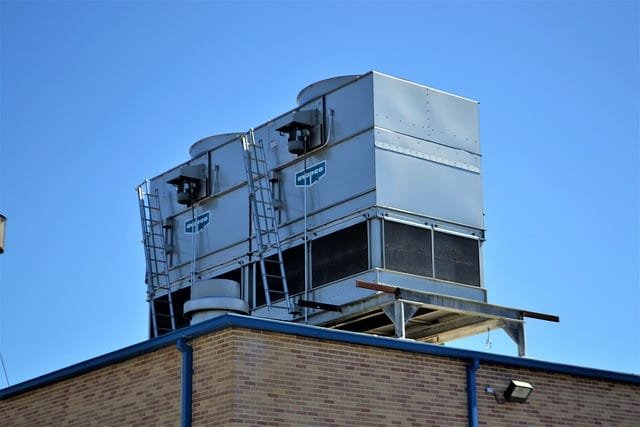
The HVAC industry is an exciting and rapidly growing sector, with high employment rates and ever-expanding capacity. With the global heating, ventilation, and conditioning market expected to reach an impressive 288 billion USD, there’s no doubt that starting an HVAC business is an excellent option for those looking to dive into a thriving, resilient industry.
A solid HVAC business plan is fundamental to ensure success, and understanding the industry’s nuances, opportunities, and challenges is a crucial first step in this journey. To establish a successful HVAC business, you need to stay updated on current market trends and opportunities, as well as be prepared to face the challenges that come your way.
By staying informed and adaptable, you can better position your business for long-term success and growth.
Market trends and opportunities
The HVAC industry has experienced significant advancements in recent years, such as increased energy efficiency standards. These developments have propelled the HVAC market’s growth, creating new opportunities for businesses. With technology empowering the HVAC industry, it’s essential to stay on top of innovations and market trends to ensure your business remains competitive and relevant.
To capitalize on these opportunities, it’s crucial to understand your target market and tailor your service offerings accordingly. Creating a niche for your HVAC business can help you expand your customer base and make it easier to market your services to specific groups of people. Additionally, building a following on social media can amplify your brand reach and provide social proof.
By analyzing market prices and trends, you can refine your marketing strategy and focus on the services that generate the most revenue and customer satisfaction.
Challenges faced by HVAC businesses
Starting an HVAC business comes with its own set of challenges. It’s essential to recognize that only 30% of new HVAC businesses in the US have been successful. Overcoming customer objections and optimizing routes for greater efficiency are some of the obstacles that you may face.
To tackle these challenges, HVAC contractors should be prepared with solutions for common objections, such as offering financing or providing references. Route optimization can also play a significant role in reducing costs and ensuring that the highest number of jobs are completed.
By addressing these challenges head-on, you can differentiate your business from the competition and pave the way for long-term success.
Crafting an Effective Business Plan
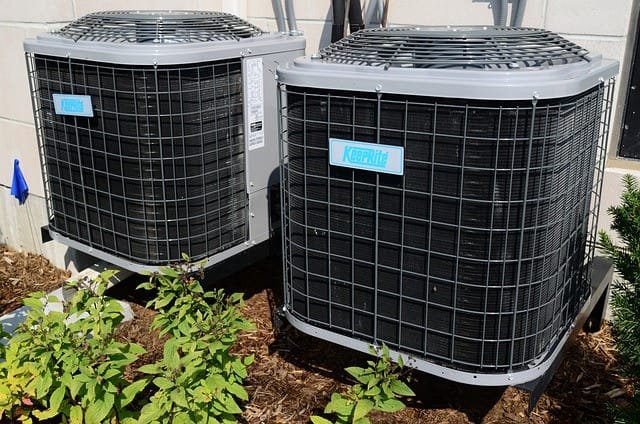
Developing an effective business plan is crucial for starting an HVAC business. It outlines your vision and goals, helps you secure financing, and ensures that you have a solid foundation from which to build your business. A comprehensive business plan will also help you identify potential problems and mitigate risks, setting you up for success in the competitive HVAC industry.
An effective business plan should include clear objectives and goals, financial planning and projections, legal and licensing requirements, and team-building strategies. Additionally, it should outline your pricing strategies and service offerings, marketing and promotional efforts, and plans for investing in technology and tools. By addressing each of these elements in your business plan, you can create a roadmap for success and ensure that your HVAC business thrives.
Setting clear objectives and goals
Establishing clear objectives and goals for your HVAC business is vital for success. The objectives and goals of an HVAC business typically involve ensuring thermal comfort and healthy indoor air for customers while striving to grow the business through increased sales, expanding market share, and boosting brand awareness. It’s essential to operate with professionalism, honesty, and integrity to foster trust with customers and guarantee that your business delivers top-notch services.
To achieve these goals, consider implementing growth strategies such as increasing sales, expanding market share, and leveraging technology and tools to maximize efficiency. Focusing on these objectives and strategies will set your HVAC business on a path to success and help you gain a competitive advantage in the industry.
Financial planning and projections
Financial planning and projections are essential for HVAC businesses, as they enable accurate estimates of start-up costs, track progress during the start-up period, and plan for future growth with confidence. A well-crafted financial plan should include a break-even analysis, which reveals when your business will begin generating a profit, and a profit and loss analysis, which shows your business’s earnings and costs over a specified period of time.
Additionally, it’s crucial to maintain a balance sheet that provides an insightful overview of your business’s assets, liabilities, and the value of the owner’s investment. By closely monitoring expenses and cash flow, you can ensure that your HVAC business operates within its budget and can pay its bills on time, thus securing long-term success.
Legal and Licensing Requirements

It’s crucial for HVAC businesses to comply with legal and licensing requirements to operate legally and safely. Obtaining the necessary licenses and permits, such as HVAC contractor licenses, and adhering to regulations and standards will not only protect your business, but also ensure that you provide quality services to your customers.
Different locations may have specific requirements, so it’s essential to research and understand the legal and licensing requirements in your area. This can include obtaining a business license, HVAC certification, and insurance coverage. By staying informed and up-to-date on these requirements, you can ensure that your HVAC business operates legally and safely, setting the stage for long-term success.
Obtaining necessary licenses and permits
To operate an HVAC business, it’s essential to obtain the necessary licenses and permits. Professionals who service air conditioning units and refrigeration equipment in the United States must be certified by the Environmental Protection Agency (EPA). This certification process is mandated by U.S. law. In Canada, refrigeration and air conditioning technicians need to obtain a business license from a regulatory authority. Likewise, in other countries such as Australia and the UK, specific certifications and licenses are required.
Ensuring that your HVAC technicians have the appropriate licenses and certifications not only guarantees that they possess the necessary skills and knowledge to perform their jobs effectively and safely, but also protects your business from potential liability issues. By obtaining the required licenses and permits, you can ensure that your HVAC business operates legally and safely, setting a strong foundation for success.
Complying with regulations and standards
Compliance with regulations and standards is crucial for any HVAC business. Adhering to federal and state regulations, such as the U.S. Department of Energy’s minimum efficiency standards for air conditioning and heat pump equipment, is essential to ensure optimal performance. Additionally, staying up-to-date with industry standards such as ASHRAE standards can help your business maintain a competitive edge.
Starting January 1, 2023, new HVAC regulations will require a seasonal energy efficiency ratio (SEER) of no less than 14 SEER for residential systems in the northern states and 15 SEER for southern states. Staying informed about such regulations and implementing them in your HVAC business will not only ensure compliance, but also demonstrate your commitment to providing the highest quality services to your customers.
Building Your HVAC Team

Building a team of certified technicians is essential for any successful HVAC business. A skilled and knowledgeable team can provide quality services, increase customer satisfaction, and ultimately contribute to the success and growth of your business. Hiring the right technicians and providing them with the necessary training and support will ensure that your HVAC business thrives in the competitive market.
To build a successful HVAC team, it’s crucial to hire certified technicians and invest in their training and development. This not only equips them with the skills and knowledge needed to provide top-notch services, but also fosters a sense of loyalty and commitment within your team, ensuring long-term success for your HVAC business.
Hiring certified technicians
Hiring certified technicians is crucial for the success of your HVAC business. Technicians should have completed a recognized training program and hold the necessary certifications and licenses. Additionally, checking references and verifying a technician’s experience can help ensure that you are hiring the best talent for your business.
Having certified technicians on your team guarantees that they are well-equipped with the essential skills and knowledge to carry out their jobs effectively and safely. It also safeguards your business from potential liability issues and ensures that you provide the highest quality services to your customers.
Training and development
Investing in the training and development of your HVAC technicians is essential for maintaining a high level of service quality. HVAC technicians must have training in vocational schools, related on-the-job experience, or an associate’s degree to stay up-to-date with the latest industry trends and developments. Additionally, certifications and diplomas demonstrate their level of expertise and knowledge in the field, providing employers with a way to verify the qualifications of potential employees.
Apprenticeships offer an excellent opportunity for HVAC technicians to gain practical experience in the field while learning from experienced professionals. Continuing education is also invaluable for HVAC technicians, as it keeps them abreast of the latest technologies and techniques, giving them an edge in the job market and potentially leading to higher wages.
By investing in the training and development of your technicians, you can ensure that your HVAC business provides top-notch services and maintains a competitive edge in the industry.
Pricing Strategies and Service Offerings
Determining the right pricing strategies and service offerings for your HVAC business is crucial for success. Analyzing market prices and conducting competitor analysis can help you identify the pricing strategies that will generate the most revenue for your business. Additionally, offering an array of services tailored to your target market can help you grow your customer base and increase profits.
It’s essential to strike the right balance between offering competitive prices and generating sufficient revenue to cover your costs and ensure profitability. By basing your pricing strategies and service offerings on market research and competitor analysis, you can maximize your business’s success and profitability.
Analyzing market prices
Analyzing market prices is an essential step in determining your HVAC business’s pricing strategy. The cost of HVAC services can vary greatly, from as low as $75 to as high as $450, with an average cost of $150 to $350 for most services. Understanding the market prices in your area can help you set competitive prices for your services while ensuring that you cover your costs and generate a profit.
By closely monitoring market prices, you can identify trends and make informed decisions about your pricing strategy. This can help you stay competitive and attract new customers while maintaining a healthy profit margin for your HVAC business.
Choosing your service offerings
Selecting the right service offerings for your HVAC business is another critical aspect of ensuring its success. Offering a wide range of HVAC services, such as installation, repair, and maintenance, can help ensure that your customers’ needs are met. Additionally, consider expanding your services to include ductwork, insulation, plumbing, and indoor air quality inspections to reach a wider customer base and increase your revenue.
By carefully choosing your service offerings based on market analysis and customer demand, you can create a profitable HVAC business that caters to the needs of your target market. Focusing on the services that generate the most revenue and customer satisfaction will ensure that your business thrives in the competitive HVAC industry.
Marketing and Promoting Your HVAC Business

Marketing and promoting your HVAC business is essential for its success. Developing a strong online presence can help you acquire more leads, raise brand recognition, and establish trust with potential customers. Additionally, utilizing both traditional and digital marketing methods can help you reach a wider audience and maximize your marketing efforts.
By implementing effective marketing strategies and staying up-to-date with the latest marketing trends, you can ensure that your HVAC business stands out from the competition and continues to grow. This includes creating engaging content, investing in paid advertising, and building relationships with industry professionals to expand your reach and boost your brand’s visibility.
Developing a strong online presence
A strong online presence is crucial for the success of your HVAC business. With 70% of services being discovered through Google searches, having an engaging website and active social media presence can significantly increase your business’s visibility. Facebook, for example, is an excellent platform to start with, as it offers powerful advertising capabilities and a user-friendly interface.
To build a strong online presence, focus on creating engaging content that resonates with your target audience, such as memes and jokes that tradespeople enjoy. Additionally, consider using software tools to automate social media posting, saving time and effort. By dedicating resources to developing your online presence, you can attract more customers and build a successful HVAC business.
Utilizing traditional and digital marketing methods
In addition to building a strong online presence, it’s essential to utilize traditional and digital marketing methods to promote your HVAC business. Tried-and-true marketing methods such as direct mail, print ads, and flyers can help you reach your target audience and generate leads.
Don’t underestimate the power of word-of-mouth marketing, which can be an incredibly effective and cost-free way to promote your business. Combining traditional marketing techniques with digital marketing strategies, such as social media advertising, SEO, and email marketing, can help you reach an even wider audience and ensure the long-term success of your HVAC business.
Investing in Technology and Tools
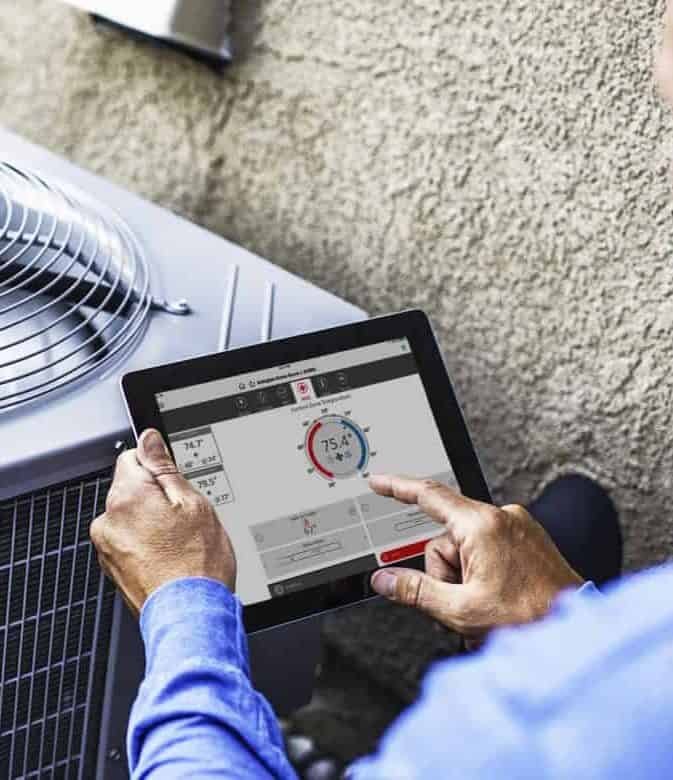
Investing in technology and tools is essential for staying competitive in the ever-evolving HVAC industry. From onboard sensors and computerized components in AC units to routing software that directs technicians from job to job, technology plays a significant role in increasing efficiency and improving customer satisfaction.
By staying up-to-date with the latest technology and tools, you can ensure that your HVAC business remains competitive and relevant in the market. This includes investing in essential equipment, such as screwdrivers, pliers, wrenches, drills, hammers, saws, vacuum pumps, refrigerant gauges, and multimeters, as well as leveraging software and technology to streamline your operations and enhance customer satisfaction.
Essential equipment and tools
To equip your HVAC business, you’ll need a variety of essential tools and equipment. This includes screwdrivers, pliers, wrenches, drills, hammers, saws, vacuum pumps, refrigerant gauges, and multimeters. These tools are crucial for providing quality services and ensuring that your business operates efficiently and effectively.
In addition to purchasing the necessary tools and equipment, consider investing in safety equipment to protect your technicians and minimize the risk of accidents. By equipping your HVAC business with the right tools and ensuring that your technicians have access to the necessary safety equipment, you can provide top-notch services and maintain a competitive edge in the industry.
Leveraging software and technology
Software and technology can play a significant role in the success of your HVAC business. For example, ServiceTitan, a cloud-based software for the trades, has been a game-changer for many HVAC businesses, allowing them to stay on top of their daily responsibilities and create uniform processes throughout the organization. Tools like ServiceTitan’s custom forms can help HVAC technicians be more successful by requiring forms to be completed on jobs, ensuring they collect the same information on each job and reduce errors.
We have a system as well check out our Kits.
By leveraging software and technology, you can streamline your operations, enhance customer satisfaction, and stay competitive in the HVAC industry. Investing in these tools can help you grow your business, reach more customers, and ultimately, ensure the long-term success of your HVAC business.
Financial Management and Growth Strategies

Effective financial management and growth strategies are crucial for the success of your HVAC business. Monitoring expenses and cash flow can help you ensure that your business operates within its budget and can pay its bills on time. Scaling up your business can also be incredibly advantageous, as it can help increase profits and expand your customer base.
By implementing sound financial management practices and focusing on growth strategies, you can ensure the long-term success of your HVAC business. This includes tracking your expenses, managing cash flow, and investing in the right resources to grow your business and reach more customers.
Monitoring expenses and cash flow
Keeping a close eye on your expenses and cash flow is essential for the success of your HVAC business. This includes tracking technician wages, materials and equipment costs, office staff expenses, rent, utilities, insurance, owner’s salary, cell phone expenses, and marketing costs. By closely monitoring these expenses, you can ensure that your business operates within its budget and can meet its financial obligations.
One way to manage your business’s cash flow effectively is by maintaining a separate bank account dedicated to managing your business’s finances. This can help you stay on top of your cash inflows and outflows and ensure that your HVAC business remains financially stable and successful.
Scaling up your business
Scaling up your HVAC business can lead to increased profits and an expanded customer base. To achieve this growth, consider targeting new markets, leveraging existing customer relationships, and utilizing digital marketing methods to expand your service area. Hiring more technicians and providing them with the necessary training and support will also contribute to your business’s growth.
By focusing on growth strategies and investing in the right resources, you can ensure the long-term success of your HVAC business. This includes exploring market prices, providing discounts and promotions, and offering additional services to attract new customers and generate more revenue.
Networking and Industry Associations

Networking and participating in industry associations can be highly beneficial for your HVAC business. Building relationships with industry professionals can unlock new client opportunities, position your business for success, and provide valuable insights from industry experts. Networking can also open up exciting franchise options and foster growth through referrals and partnerships with other professionals.
Joining trade associations and organizations, such as the Air Conditioning Contractors of America (ACCA) or the American Society of Heating, Refrigerating, and Air-Conditioning Engineers (ASHRAE), can provide you with access to helpful resources, networking opportunities, and professional development. These associations can also help you stay informed about the latest industry trends and regulations, ensuring that your HVAC business remains competitive and successful.
Building relationships with industry professionals
Building relationships with industry professionals is a crucial aspect of networking for your HVAC business. Attending industry events, joining trade associations and organizations, and participating in online forums and discussion groups can help you connect with industry professionals and expand your network.
By building strong relationships with industry professionals, you can gain access to valuable resources, insights, and referral opportunities that can help your HVAC business grow. Networking can also lead to collaboration opportunities, allowing you to learn from other professionals and stay up-to-date with the latest industry trends and developments.
Joining trade associations and organizations
Joining trade associations and organizations can provide your HVAC business with invaluable resources, networking opportunities, and professional development. Organizations such as the Air Conditioning Contractors of America (ACCA), the American Society of Heating, Refrigerating, and Air-Conditioning Engineers (ASHRAE), the Air Movement and Control Association (AMCA), and the Air Conditioning, Heating, and Refrigeration Institute (AHRI) offer a wealth of information and support to help your business thrive.
By participating in these organizations, you can stay informed about the latest industry trends, regulations, and innovations, ensuring that your HVAC business remains competitive and successful.
Summary
In conclusion, starting an HVAC business in 2023 is an exciting opportunity with immense potential for success. By understanding the HVAC industry, crafting a solid business plan, building a skilled team, and implementing effective marketing and growth strategies, you can ensure the long-term success of your HVAC business. As you embark on this exciting journey, remember the importance of networking and staying informed about the latest industry trends and developments. With determination, hard work, and the right resources, you can create a thriving HVAC business that stands out from the competition and delivers exceptional services to your customers.
Frequently Asked Questions
What is a HVAC business?
A HVAC business is a specialized contractor service that provides heating, ventilation, and air conditioning (HVAC) solutions for residential and commercial properties. Professional technicians assess clients’ needs. HVAC needs and offers installation, repair, maintenance, and replacement services to keep systems running at maximum efficiency.
How profitable is the HVAC industry?
The HVAC industry is incredibly profitable, with industry averages ranging from 15-35% in terms of profits and an average 20% profit margin. Many of the best HVAC companies are able to exceed 35% profit margins, making it one of the most lucrative industries in the world.
The HVAC industry is extremely profitable, with average industry profit margins of 20%, and some companies reaching upwards of 35%. With effective systems in place and increased efficiency, the potential for success in the HVAC business is high.
Is HVAC a good business to start?
Starting an HVAC business can be an incredibly rewarding venture. With the market size estimated to reach $16.54 billion in 2022, now is the perfect time to explore this lucrative opportunity.
If you have the technical know-how and are ready to put in the work, it could be a great business choice for you.
Is HVAC good for money?
Yes, HVAC can be a great source of income. With the ability to make up to $100,000 at the highest end of the pay scale, HVAC mechanics have the potential to earn a significant amount of money.
On top of that, apprentices can begin making around $35,000 a year, providing an excellent opportunity for those looking to build their career.
Is HVAC a good business to start?
Starting an HVAC business can be a great opportunity, as the industry is growing and profitable. To get started, you must develop a business plan and know how to market your services to potential customers.
Additionally, make sure you are properly certified and educated in the field of HVAC technology. All these steps will help ensure the success of your new business venture.
Comments are closed